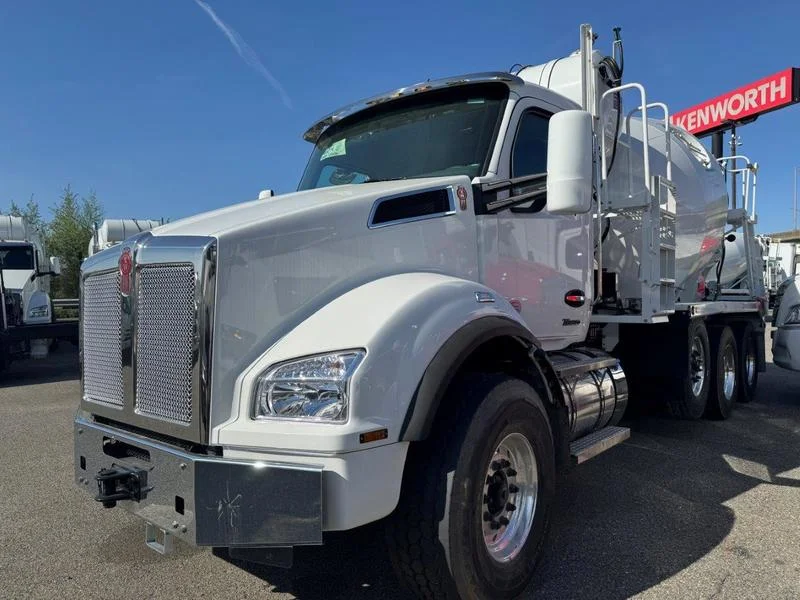
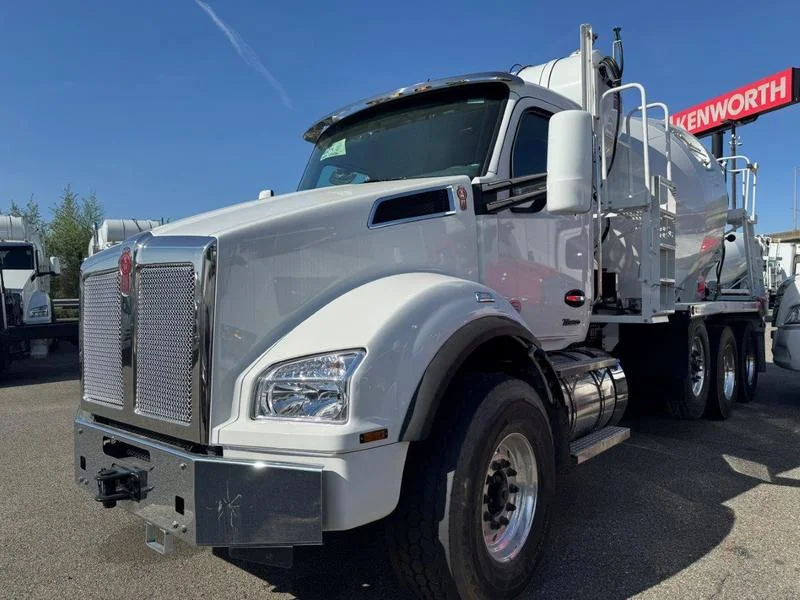
Concrete Mixer Trucks for Sale
51 trucksTruckRadar lists 51 used concrete mixer trucks for sale from dealers including Gabrielli Truck Sales (17), MHC Kenworth (17), Vanguard Truck Centers (13). Top makes include Kenworth, Mack, Volvo. Prices range from $219,950 to $269,995.
Search new and used concrete mixer trucks for sale from dealers across the United States. TruckRadar.AI aggregates mixer truck listings from commercial truck dealers nationwide — including transit mixers, front-discharge mixers, rear-discharge mixers, and volumetric mixer trucks from chassis brands including Mack, Kenworth, Peterbilt, Freightliner, and International. Whether you need one ready-mix truck or are sourcing a fleet, compare drum capacity, chassis specs, mileage, and price in one place.
Concrete mixer trucks are heavy-duty Class 8 vehicles with a rotating drum that mixes and delivers fresh concrete to construction job sites. They must deliver within the concrete's workability window — typically 90 minutes from batching — making reliability and route planning critical.
Types of Concrete Mixer Trucks
Transit Mixer (Rear-Discharge)
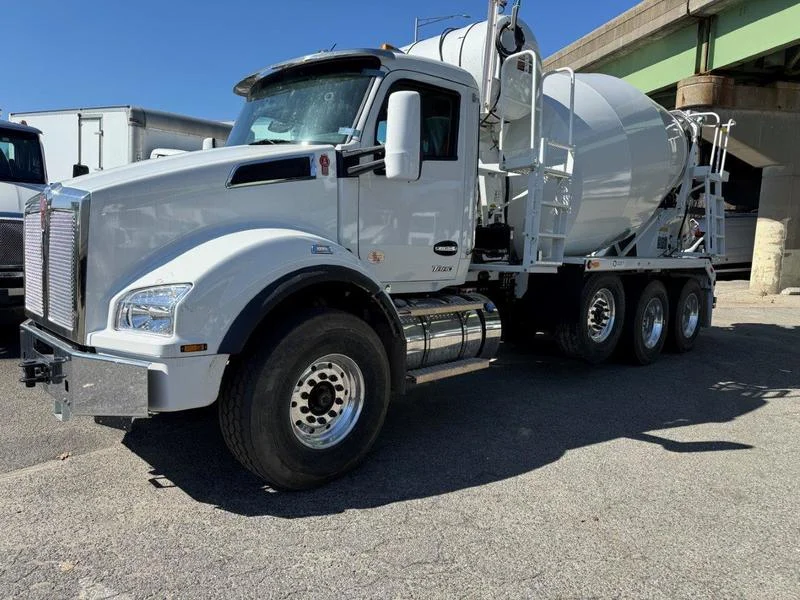
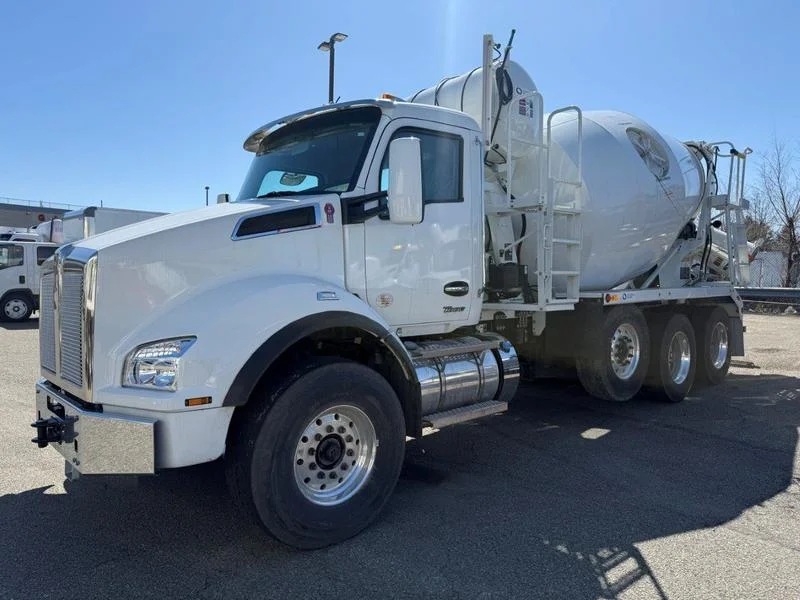
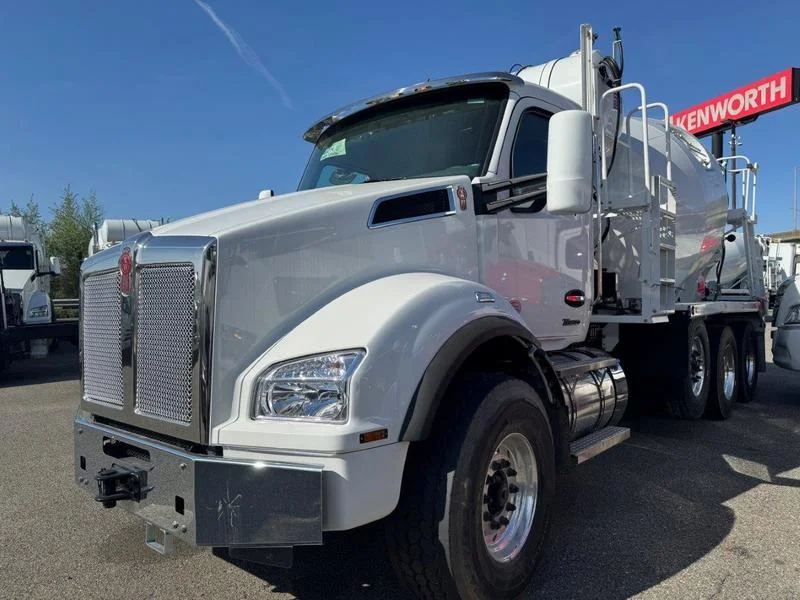
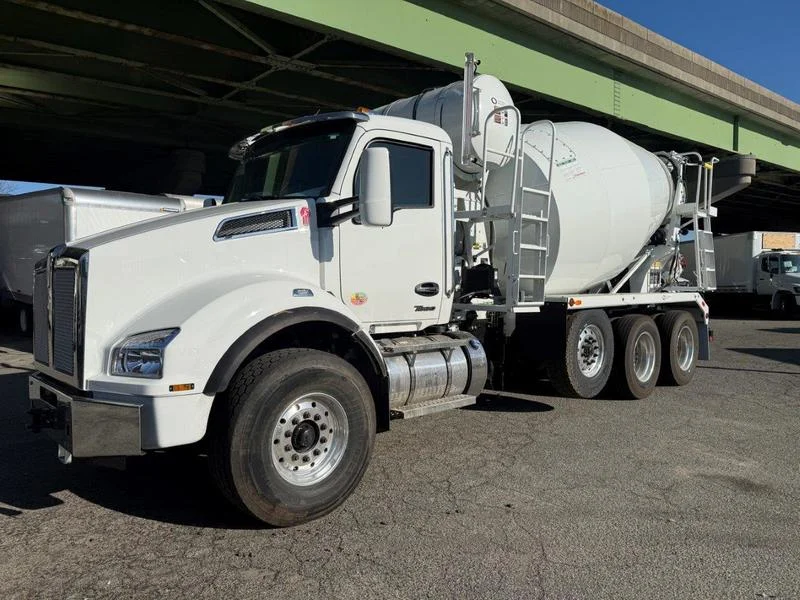
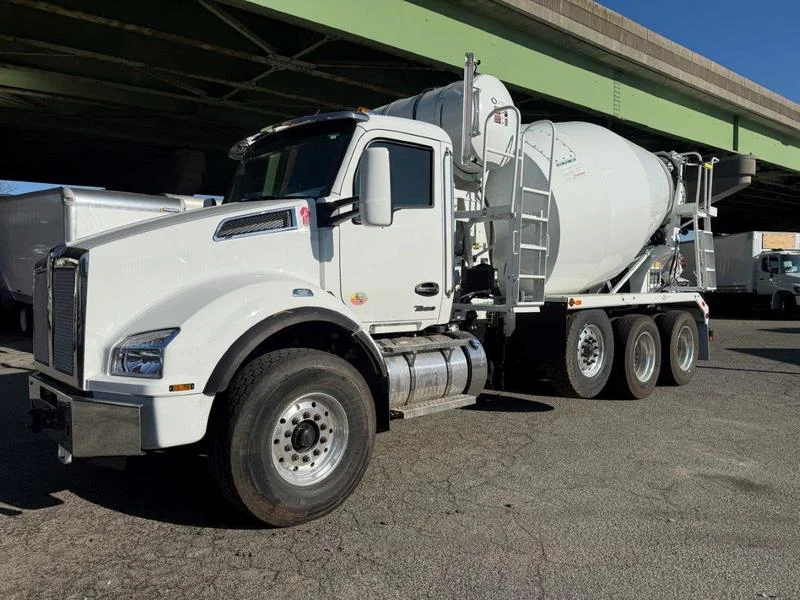
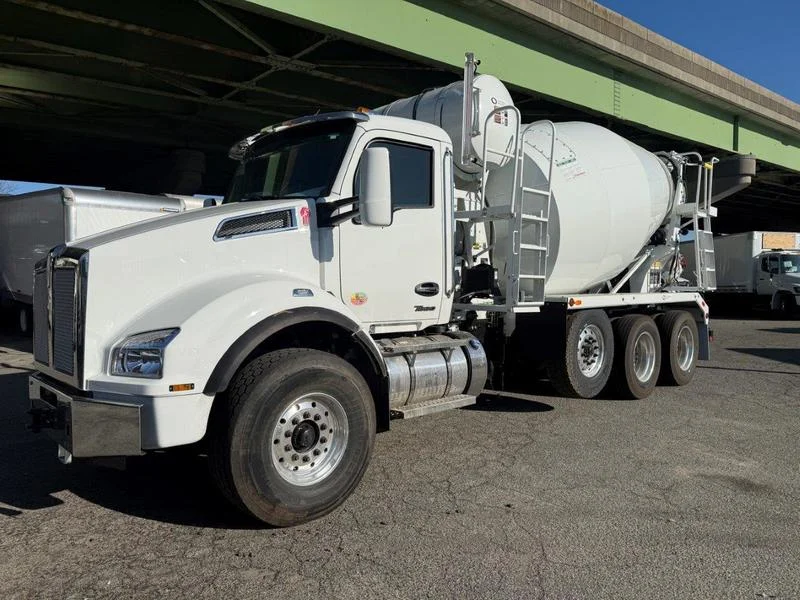
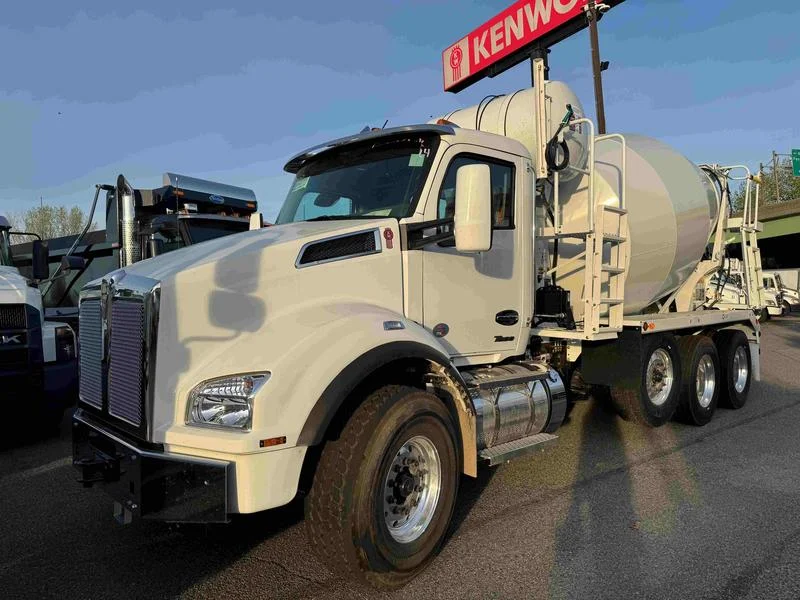
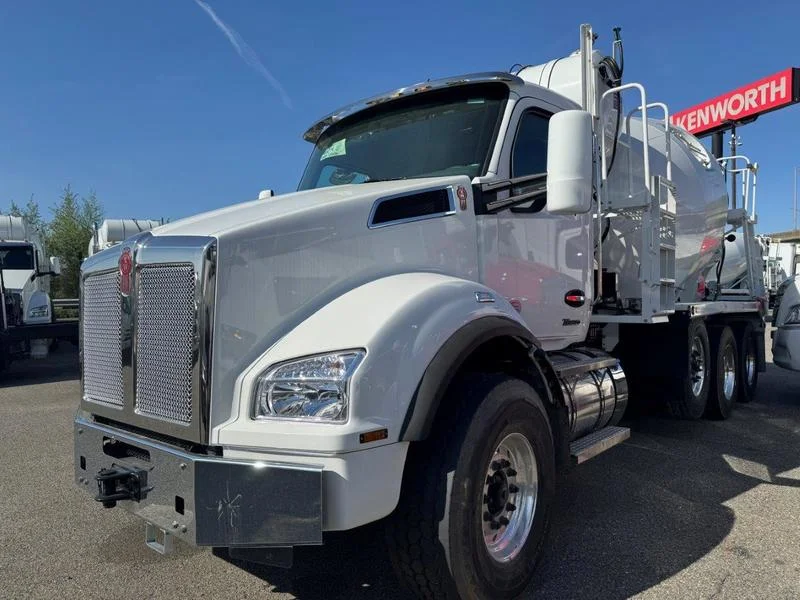
The most common mixer truck in the U.S., the rear-discharge transit mixer carries pre-batched concrete from a ready-mix plant to the job site in a rotating drum, discharging from the rear. Standard drum capacities run 8–11 cubic yards. Most transit mixers are built on vocational chassis with tandem rear axles and hydraulic drum drive systems. Mack, Kenworth, and Peterbilt are the most common chassis for rear-discharge units.
Front-Discharge Mixer
Front-discharge mixers allow the driver to discharge concrete from the cab end of the truck without leaving the seat, offering precise placement control in tight job site conditions. Front-discharge units are common in high-volume paving and foundation work. They command a significant premium over rear-discharge units due to their complex front-mounted drum and discharge chute systems.
Volumetric Mixer
A volumetric mixer (also called a mobile mixer) carries the raw components — aggregate, sand, cement, and water — in separate compartments and mixes the concrete on-site to order. Volumetric mixers produce fresher concrete, reduce waste, and allow on-demand mix design changes. They are commonly used for smaller pours, remote sites, and applications requiring multiple mix designs in a single job. London, Cemen Tech, and Hy-Way are among the leading volumetric mixer body manufacturers.
Top Makes — Concrete Mixer Trucks for Sale
Top Dealers — Concrete Mixer Trucks for Sale
Mixer Trucks by State
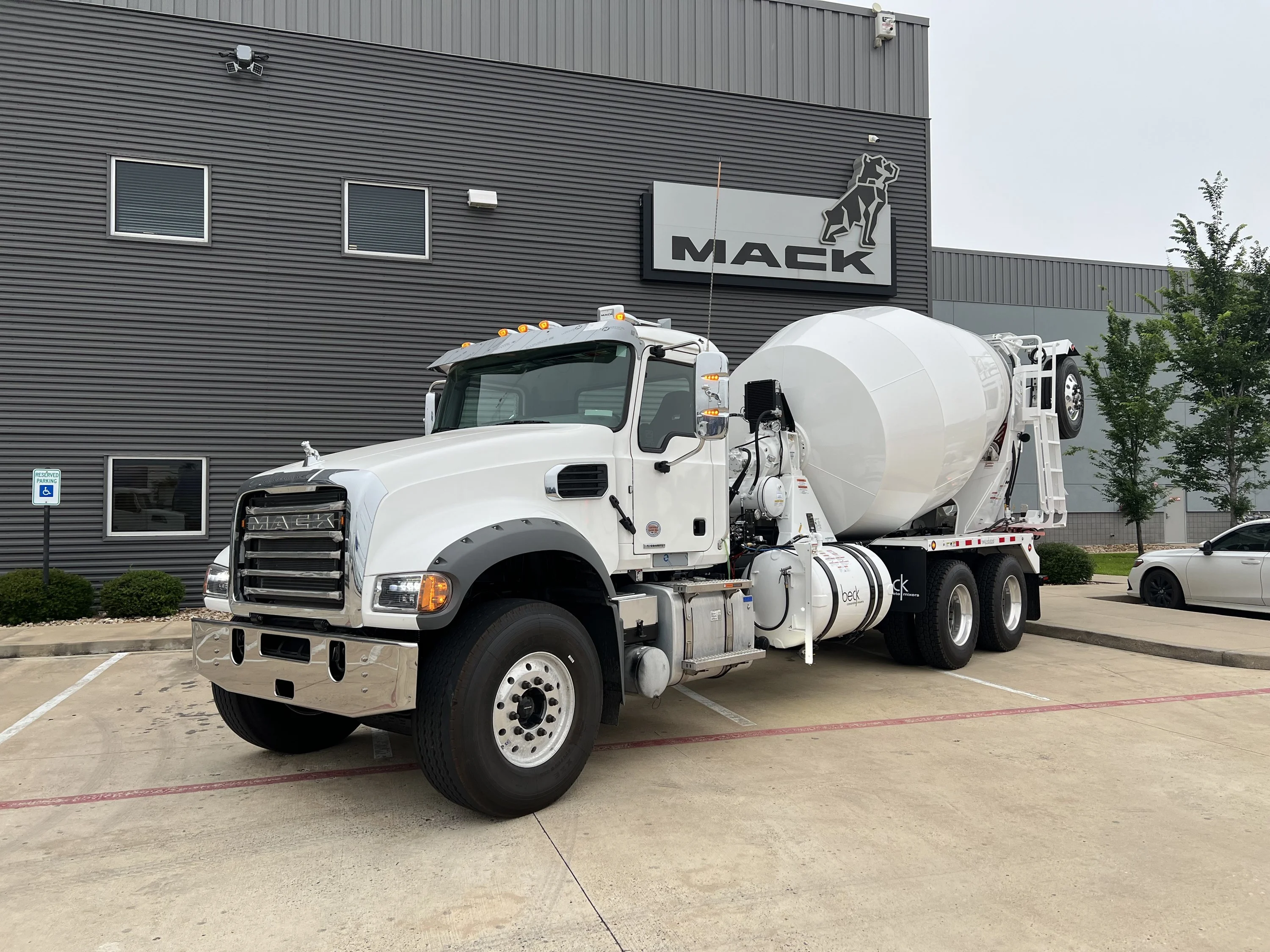
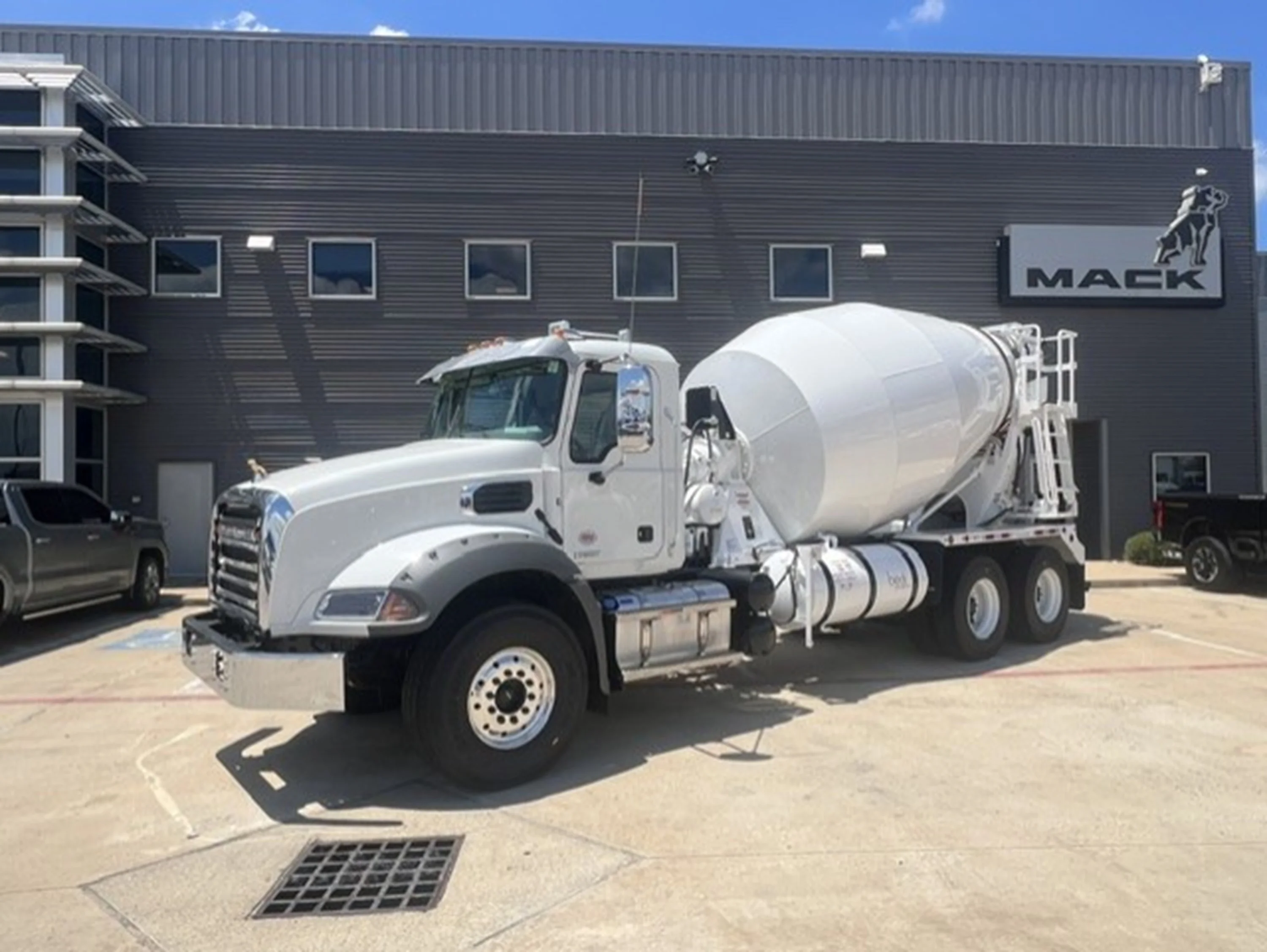
2026 Mack Granite
Call for Price
Houston, TX
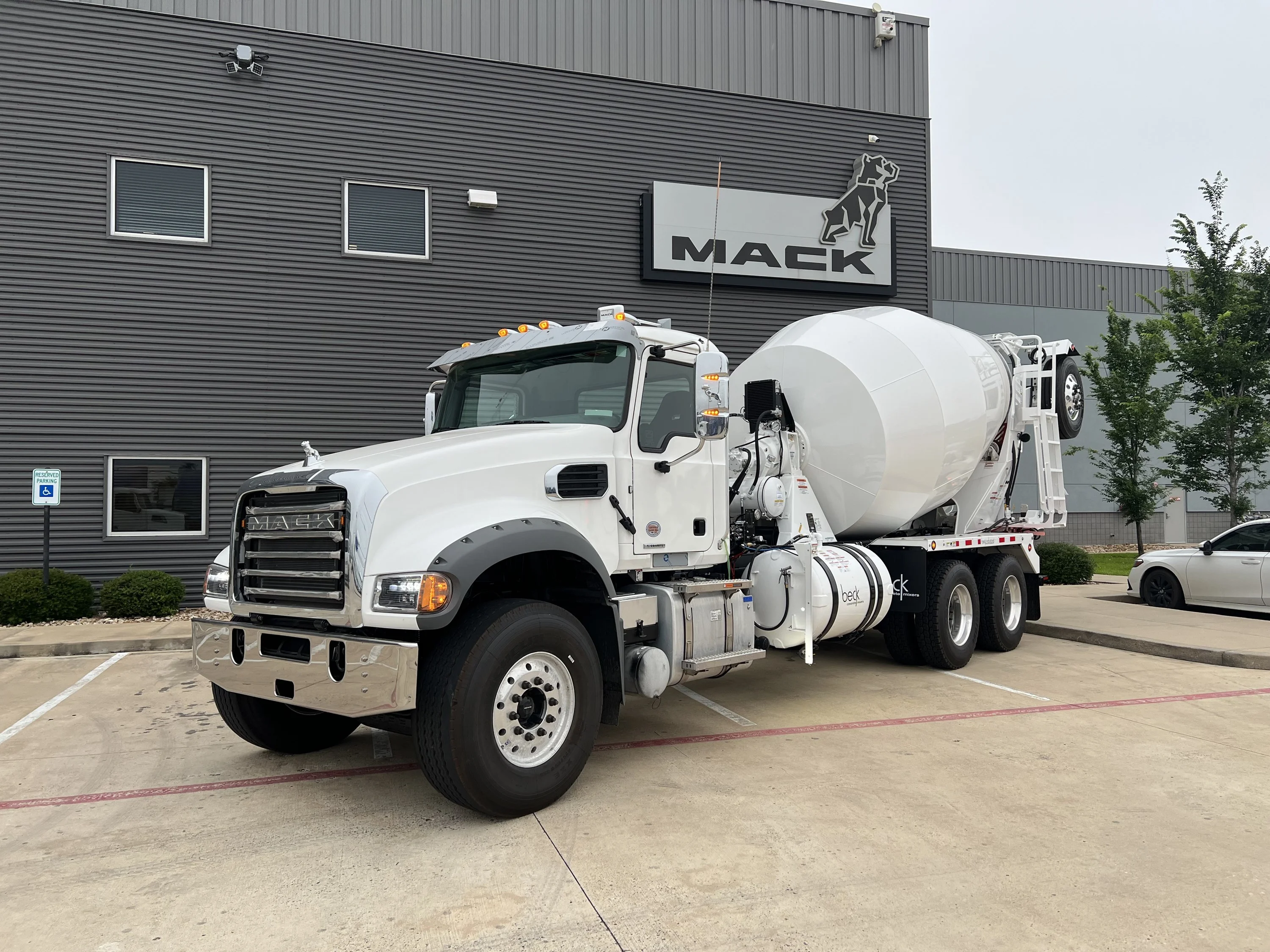
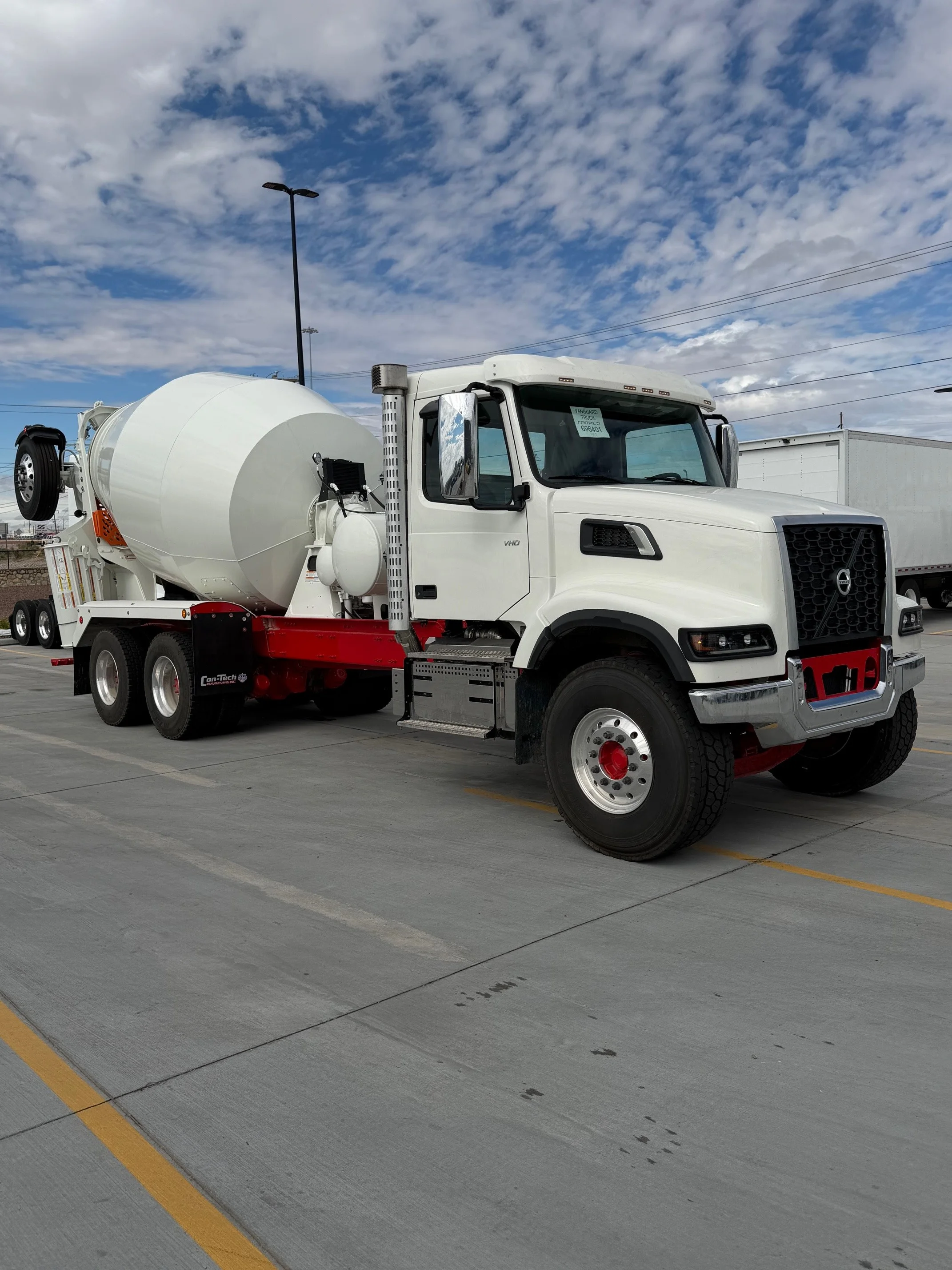
2026 Mack Granite
Call for Price
Houston, TX
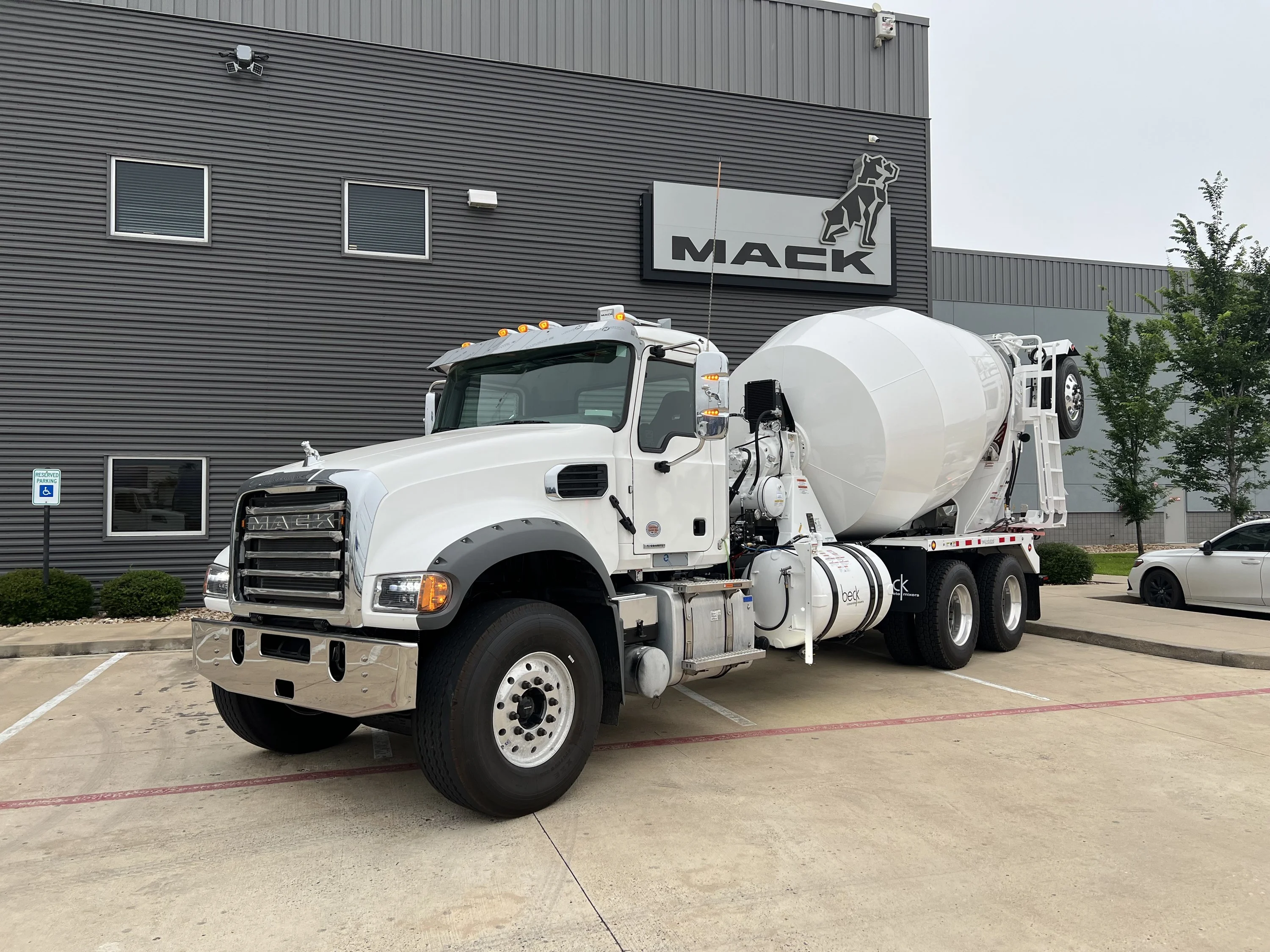
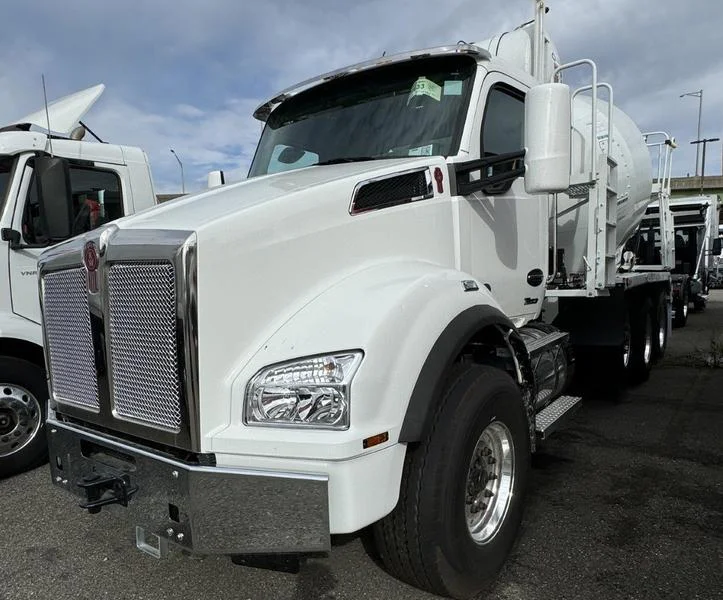
2026 Mack Granite
Call for Price
Houston, TX
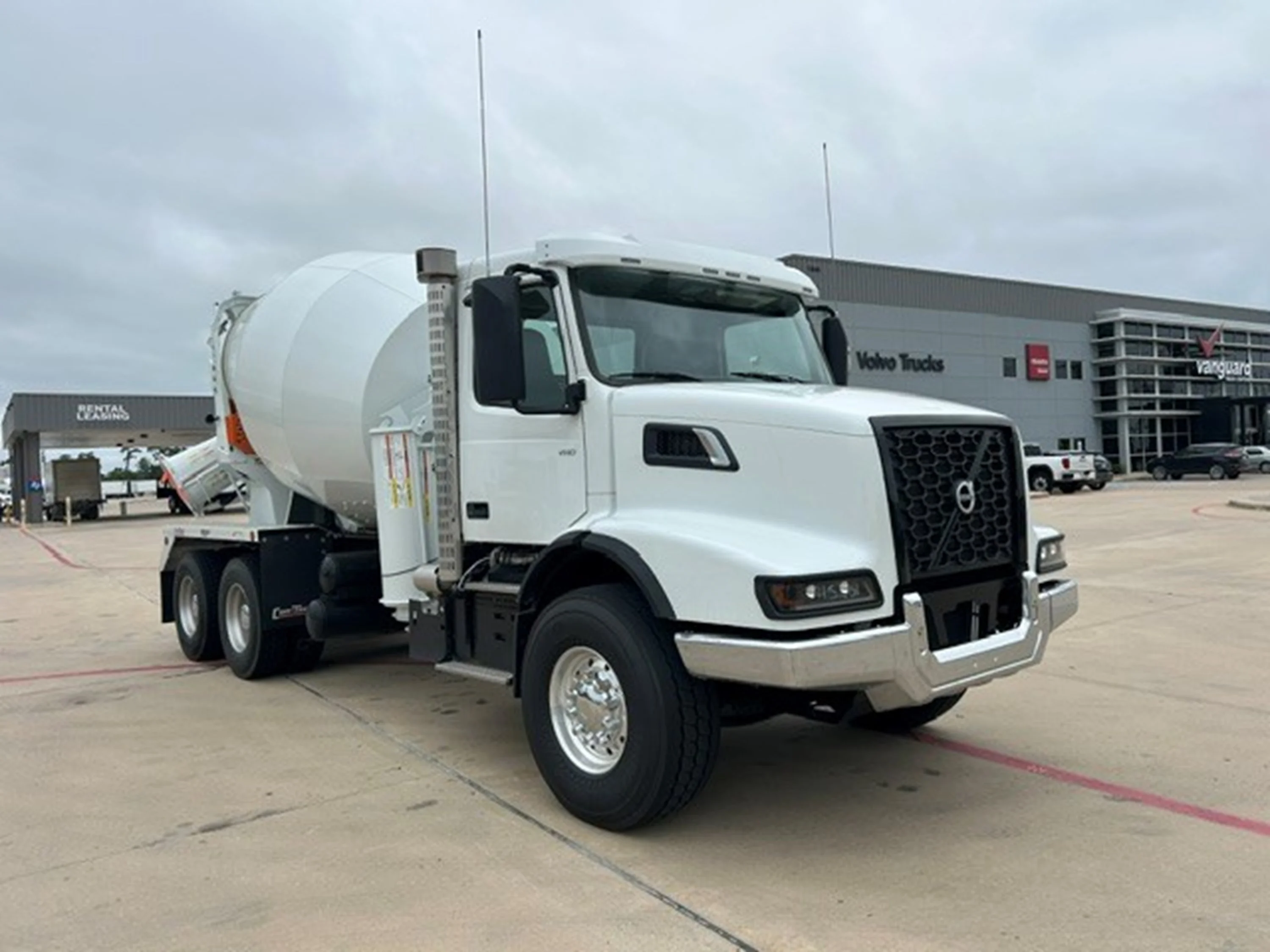
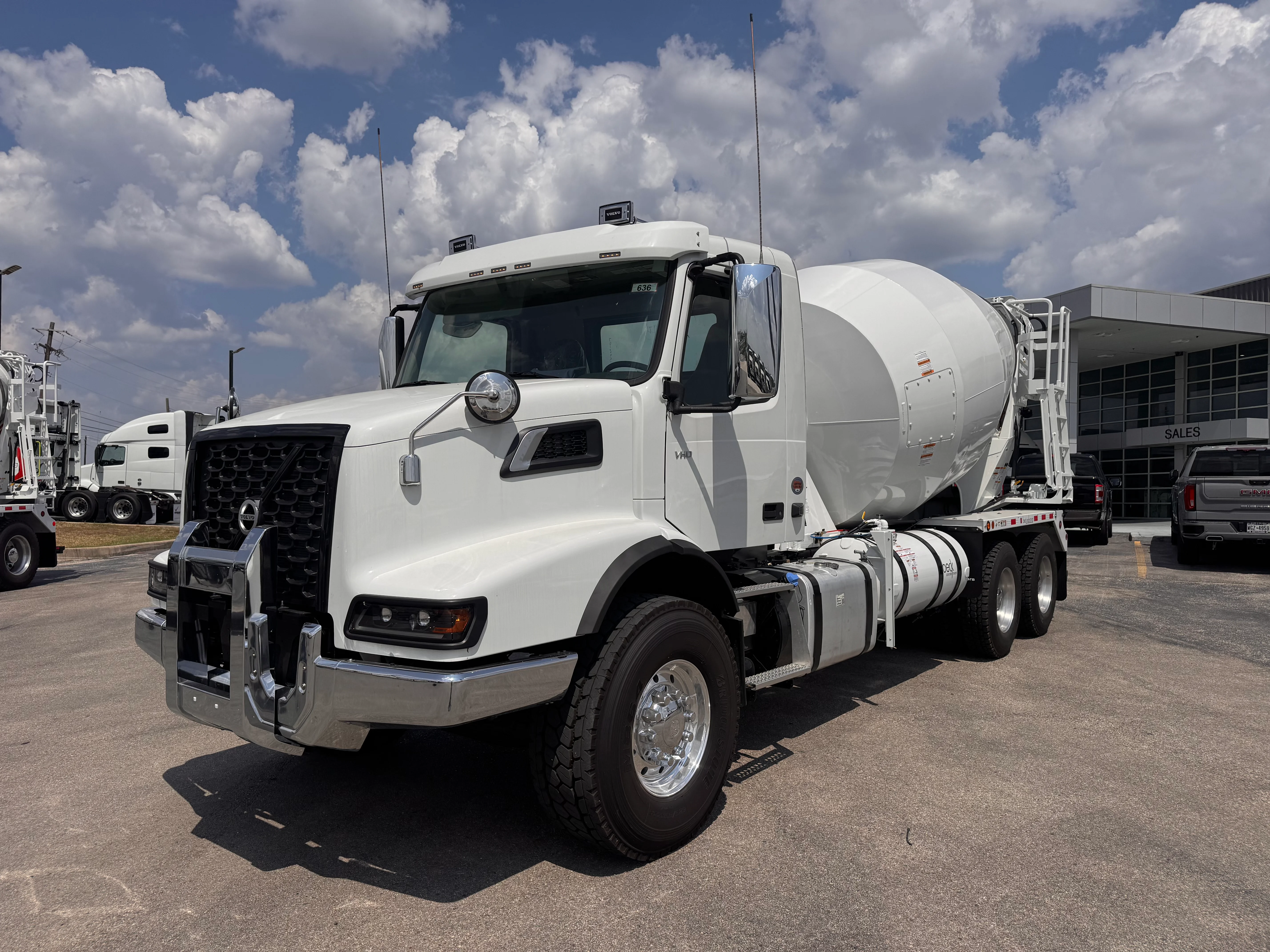
2026 Volvo VHD 300
Call for Price1,190 mi
Concrete Mixer Truck Questions
How much does a concrete mixer truck cost?
New concrete mixer trucks typically cost between $120,000 and $280,000 depending on chassis brand, drum capacity, and discharge configuration. Front-discharge units and volumetric mixers command the highest prices. Used transit mixers in good working condition generally range from $40,000 to $120,000 depending on age, mileage, drum condition, and chassis. Always budget for drum inspection and hydraulic system service when purchasing a used unit.
What drum capacity do I need?
Most transit mixer trucks carry between 8 and 11 cubic yards of mixed concrete per load, with 10 yards the most common standard in the U.S. Larger drums reduce trips per pour but add gross vehicle weight — standard 5-axle configurations are limited to 80,000 lbs GVW on Interstate highways. For residential pours, 6–8 yard units on shorter wheelbase chassis are common. Volumetric mixers are sized differently — capacity is based on raw material bin volume, typically equivalent to 8–12 yards of finished concrete.
What chassis brands are most common on mixer trucks?
Concrete mixer trucks are most commonly built on Mack, Kenworth, Peterbilt, Freightliner, and International chassis. The Mack Granite and Kenworth T880 are among the most popular vocational platforms for mixer applications due to their frame strength, axle ratings, and PTO compatibility. International's HV Series and Freightliner's 114SD are also widely used. Drum bodies are separately sourced from manufacturers such as McNeilus, London, Beck, Oshkosh, and Cemen Tech.
Common Uses for Mixer Trucks
- Ready-mix concrete delivery to residential, commercial, and infrastructure job sites
- Short-pour foundation and flatwork placement
- Bridge, highway, and infrastructure concrete supply
- Specialized concrete mixes — fiber-reinforced, high-strength, and self-consolidating
What to Look for When Buying a Mixer
- Drum capacity — typically 8–12 cubic yards; 10 CY is the most common ready-mix size
- Discharge type — rear-discharge (most common) or front-discharge (driver can see the chute)
- Chassis — vocational spec with heavy-duty front axle (up to 22,000 lbs), short wheelbase, and all-wheel-drive option
- Water system — on-board water tank for mix adjustment and washout
- Engine horsepower — 400–500 HP for loaded operation on grades and job sites
- Drum condition — inspect mixing blades (fins) for wear, as replacement is expensive
Mixer Price Ranges
New
$180,000–$280,000 for a new mixer with full drum
Used
$40,000–$130,000 for a used mixer depending on drum condition